Are probiotic supplement worth trying in 2025?
- Aug 1, 2025
- 3 min read
Probiotics are becoming increasingly popular in the health and wellness community, and for good reason. These beneficial bacteria are believed to provide endless advantages, from improving gut health to boosting immune function. As we enter 2025, you may be questioning whether probiotic supplements are still a valuable addition to your daily routine. Let’s explore the latest research, benefits, and key considerations surrounding probiotics this year.
What Are Probiotics?
Probiotics are live microorganisms known as "good" or "friendly" bacteria, which can be found in certain foods and supplements. They offer health benefits by helping maintain a balanced microbiome, crucial for digestion, nutrient absorption, and overall well-being.
You may already be familiar with probiotic-rich foods such as yogurt, kefir, and sauerkraut. For those who seek a more concentrated dose, probiotic supplements have gained immense popularity.
The Evolving Landscape of Probiotics
The past few years have seen a surge in studies focused on the effectiveness of probiotic supplements. In 2025, findings suggest that specific strains of probiotics can significantly contribute to digestive health, improve mental well-being, and even support the immune system.
One exciting development is the understanding that different probiotic strains can target specific health issues. Instead of a one-size-fits-all approach, consumers can now choose tailored probiotic supplements to meet their unique health needs.
Health Benefits of Probiotics
1. Supporting Digestive Health
The most recognized benefit of probiotics is their role in digestive health. Probiotics may help prevent and treat gastrointestinal issues like bloating, diarrhea, and irritable bowel syndrome (IBS).
Research from 2025 emphasizes that strains like Lactobacillus and Bifidobacterium are particularly effective. For example, a study revealed that Lactobacillus rhamnosus GG decreases the frequency of diarrhea in children by about 50%. These friendly bacteria help balance the gut microbiome, allowing your body to digest food more efficiently.

2. Mental Health Connection
Growing evidence suggests a connection between gut health and mental well-being, often called the "gut-brain axis." Probiotics may be essential in this relationship, potentially improving mood and relieving anxiety and depression.
Research in 2025 indicates that specific strains, such as Lactobacillus helveticus, can help produce neurotransmitters like serotonin, which plays a crucial role in mood regulation. Incorporating probiotics into your routine may not only enhance digestive health but also offer a much-needed boost to your mental health.
3. Immune System Support
Having a strong immune system is vital for maintaining good health. Research shows that regular probiotic consumption can improve immune function and decrease the risk of infections.
In fact, studies demonstrate that probiotics can increase the production of antibodies by 20% and enhance immune cell activity. Many health experts recommend considering probiotics as a preventive measure, especially during the cold and flu season.
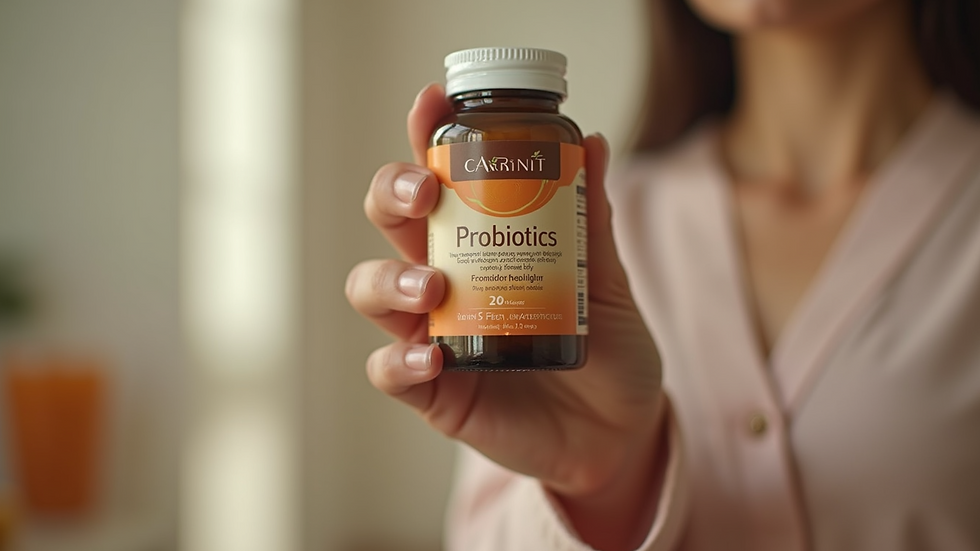
Choosing the Right Probiotic Supplement
With countless options on the market, finding the right probiotic supplement may be daunting. Here are two essential factors to consider:
1. Strain Diversity
Different probiotic strains serve various health purposes. Opt for a supplement that offers a range of strains for broader benefits. Consult a healthcare professional to identify which strains align with your health goals.
2. CFU Count
CFU (colony-forming units) measures the number of live microorganisms in a probiotic. While a higher CFU count can be beneficial, it does not always guarantee better results. Choose a product with a CFU count that meets your needs for effective outcomes.
Potential Drawbacks and Considerations
While probiotics boast several benefits, they are not without potential drawbacks. Some individuals may experience gastrointestinal discomfort, gas, or bloating when starting probiotics. It is wise to begin with a lower dose and gradually increase it as your body adjusts.
Additionally, those with health issues or compromised immune systems should speak to a healthcare provider before starting any probiotic regimen.
A Personal Decision
As we progress through 2025, evidence continues to suggest that probiotic supplements can enhance many individuals' health routines. However, the decision to try probiotics should depend on your unique health needs and preferences.
Final Thoughts
With a growing understanding of probiotics, recommendations for their use are becoming clearer. From boosting digestive and immune function to enhancing mental well-being, probiotics are worth considering for anyone looking to improve their health.
To enjoy the full benefits, choose a supplement tailored to your specific needs. Always listen to your body and consult a healthcare professional to assist you on your probiotic journey. Do probiotics deserve a spot in your routine in 2025? The evidence suggests they may be worth a try!


Comments