Can kids use melatonin safely?
- Aug 6, 2025
- 3 min read
As we step into 2025, more parents are seeking answers about the safety and effectiveness of melatonin, especially for their children's sleep issues. It's not just a trend; it's a topic that needs careful consideration. With melatonin supplements gaining popularity, particularly in snack forms, it’s vital to explore the potential benefits and risks for kids.
Understanding Melatonin
Melatonin is a hormone that our body naturally produces to regulate sleep patterns. The pineal gland releases this hormone in response to darkness, signaling that it’s time to sleep. With increasing awareness of sleep disturbances in children, the market for melatonin products has grown, offering options like gummies, tablets, and innovative snacks, making it an attractive solution for many parents.
However, the question remains: are these melatonin snacks a safe choice for children?
The Growing Trend of Melatonin Snacks
The market for melatonin snacks is booming. According to recent research, the sales of melatonin supplements in the United States have increased by over 50% in the last three years alone. Manufacturers are combining melatonin with appealing flavors, vitamins, and minerals to create products that kids may enjoy.
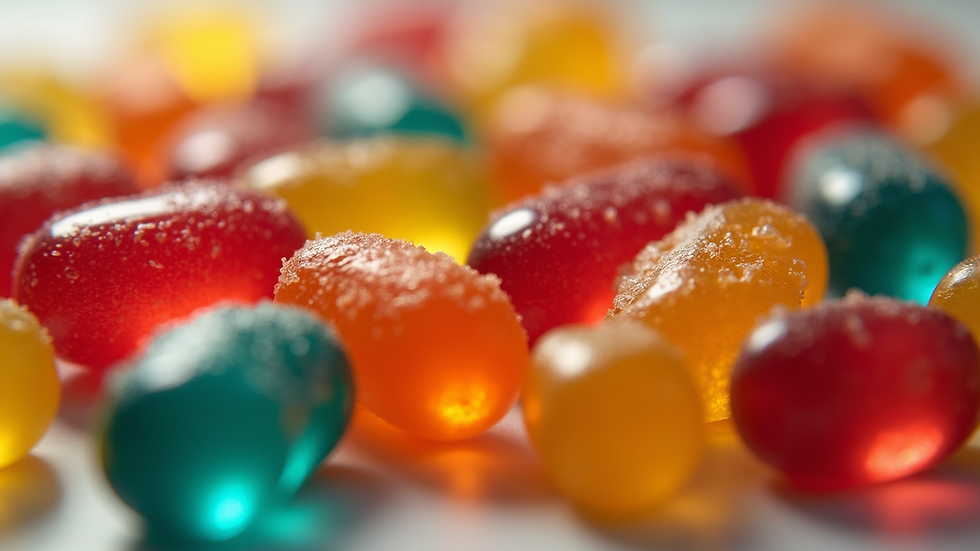
While the convenience of these snacks is alluring, parents must be aware of the correct dosages and possible side effects. Because supplements are not regulated as strictly as drugs by the FDA, the quality and effectiveness of these products can vary greatly.
What the Research Says
Several studies have examined melatonin's impact on children, showing it can help manage various sleep disorders, particularly for children with ADHD, autism spectrum disorders, or anxiety. For instance, a study published in the Journal of Child Psychiatry and Psychology found that nearly 50% of children with ADHD experienced improved sleep when given melatonin. Short-term use often shows positive results with minimal side effects. Still, more extensive research is needed to understand the long-term implications, especially as melatonin snacks gain popularity.
The Role of Dosage
Administering the correct dosage is crucial. Experts recommend that children typically need between 0.5 to 5 milligrams of melatonin taken about 30 minutes before bedtime. This is significantly lower than most adult dosages, and a healthcare provider's advice is paramount before starting any melatonin regimen.
Parents should also be cautious with melatonin snacks, as their candy-like taste might lead kids to consume more than the recommended dosage, which could result in side effects like daytime grogginess, dizziness, or irritability.
Age Considerations
Age plays a significant role in determining whether melatonin is appropriate. The general consensus among experts is that melatonin should only be considered for children over three years old, under strict supervision. For younger children, focusing on behavioral sleep strategies is often more effective. These include:
Establishing a consistent bedtime routine
Limiting screen time before bed
Creating a calming atmosphere in the bedroom
These practices can create better sleep habits without relying on supplements.
Discussing Melatonin with Healthcare Professionals
Engaging in an honest conversation with a pediatrician before introducing melatonin is essential. This discussion allows parents to understand if melatonin is the right choice based on their child’s unique health history and specific sleep challenges. A tailored approach ensures safety and efficacy for each child.
The Importance of Sleep Hygiene
While melatonin can be a helpful tool, it should not be the first option for sleep difficulties. Good sleep hygiene practices are vital. Consistent bedtimes, a relaxing pre-sleep routine, and a sleep-friendly environment can all enhance sleep quality.

Implementing these strategies builds a strong foundation for better sleep without needing to rely solely on supplements.
Potential Side Effects of Melatonin
Like any supplement, melatonin can come with side effects. These may include headaches, nausea, or changes in mood. It's important to be aware that some children might experience irritability or heightened anxiety if melatonin is misused or dosed incorrectly. Parents should observe their child's behavior closely when starting melatonin snacks and be ready to consult a doctor if any negative reactions occur.
The Future of Melatonin Snacks
Looking ahead in 2025, the melatonin snack market is likely to focus on higher standards of quality, better formulations, and clear labeling. As parents become more aware of what they are giving their children, manufacturers will need to keep up with the demand for safer, more effective products.
Parents must make informed choices based on trustworthy research and guided conversations with healthcare professionals. By being proactive, they can navigate the melatonin snack market more effectively.
Final Thoughts
Melatonin snacks can serve as a useful option for helping children with sleep issues, but caution is necessary. Parents should prioritize responsible use backed by professional guidance. Supporting healthy sleep practices is crucial for ensuring children receive the rest they need for overall well-being.
While the question of melatonin's safety for kids in 2025 is complex, careful oversight and informed decisions, combined with a commitment to sleep hygiene, can help parents navigate this journey with confidence.


Comments