How much fiber is too much in snacks?
- Aug 1, 2025
- 4 min read
In recent years, fiber has become a hot topic in nutrition, and for a good reason! With its numerous health benefits, including better digestion and more stable blood sugar levels, fiber has taken center stage in the world of healthy snacking. But as we move closer to 2025, an important question arises: how much fiber is too much in our snacks? In this post, we’ll explore recommended fiber intake, examine the potential downsides of too much fiber, and offer practical tips on balancing fiber in your snacks for better health.
Understanding Fiber
Fiber is a type of carbohydrate that your body cannot digest. It plays a crucial role in maintaining a healthy digestive system. There are two types of fiber:
Soluble fiber: This type dissolves in water, helping to regulate blood sugar levels and lower cholesterol.
Insoluble fiber: This type adds bulk to stools and speeds up the passage of food through the stomach and intestines.
Both types are essential and should be included in your snacks.
Health experts recommend a daily intake of about 25 to 30 grams for adults, which can be reached through a mix of meals and snacks. But how do we ensure our snack choices don’t push us beyond that limit?
Recommended Daily Fiber Intake
The general guidelines suggest that women should consume about 25 grams of fiber per day, while men should aim for around 38 grams. This gives a clear target for fiber consumption.

As we approach 2025, the market is overflowing with high-fiber snacks, which can offer many benefits but also the risk of overdoing it. For example, a single protein bar can contain up to 15 grams of fiber, easily pushing you past the daily limit if you enjoy multiple bars in a day.
Finding a balance is crucial for enjoying tasty snacks without exceeding your fiber intake.
The Risks of Too Much Fiber
While fiber is vital for health, too much can lead to uncomfortable side effects.
Increased fiber can cause symptoms like bloating, gas, and abdominal discomfort, especially when fiber is suddenly introduced into your diet. The fermentation of fiber in your gut can produce gas, leading to discomfort.
Moreover, too much fiber can interfere with nutrient absorption. If your intake exceeds what your body can handle, it may result in digestive issues like constipation or diarrhea.
So, while integrating fiber-rich snacks into your diet is important, moderation is key to avoiding these unwanted effects.
Choosing the Right Snacks
When choosing your snacks, focus on options that meet your fiber needs.
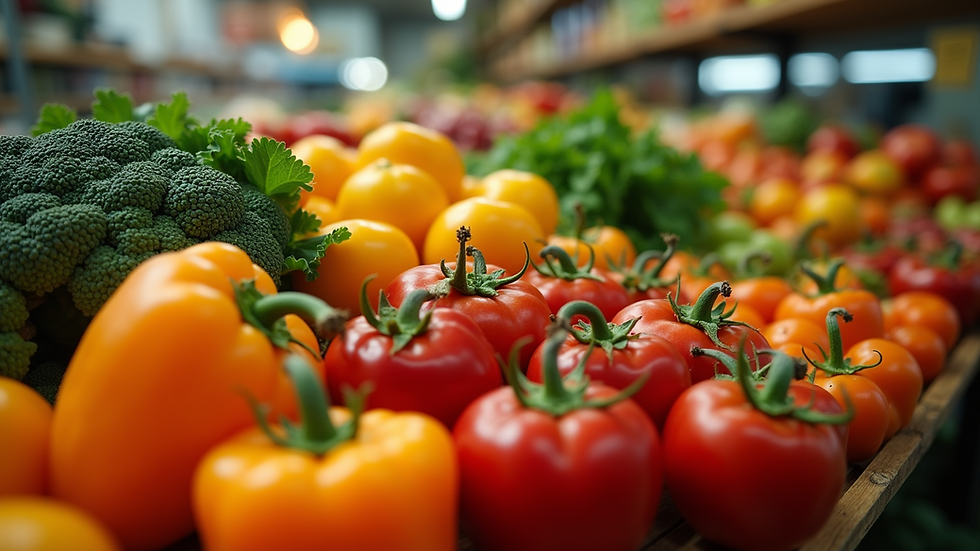
Whole foods are a great choice—fruits, vegetables, nuts, and whole grains typically offer a variety of nutrients along with their fiber content.
For instance:
A serving of almonds provides about 3 grams of fiber.
A medium apple adds around 4 grams.
A cup of cooked lentils contains an impressive 15 grams of fiber.
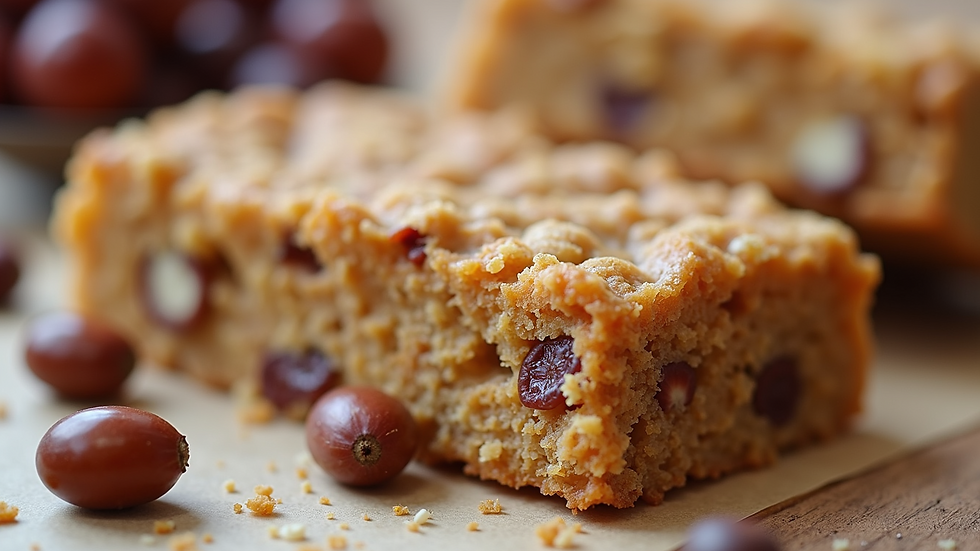
If you turn to pre-packaged snacks, always check the nutrition label. Many processed options can have high levels of added fiber, which may lead to unintentional overconsumption.
How Much Fiber is Too Much in One Snack?
How much fiber should you aim for in a single snack?
Generally, snacks containing around 5 to 10 grams of fiber are considered appropriate for adults. This level helps you reap fiber's benefits without going overboard.
Listen to your body; if you feel bloated or discomfort arises, it might be time to cut back on fiber in your snacks. Ultimately, balance is critical—mix snacks with meals throughout the day to ensure a varied diet without exceeding fiber limits.
Balancing Fiber in Your Diet
To successfully manage your fiber intake, consider these helpful strategies:
Gradually Increase Fiber: If you want more fiber, do it slowly. This gives your digestive system time to adjust and helps minimize discomfort.
Drink Plenty of Water: Staying hydrated is crucial when boosting fiber consumption. Water helps fiber move smoothly through your digestive system and can reduce bloating.
Rotating different sources of fiber can also be effective. Foods like legumes, fruits, and vegetables all offer distinct types of fiber and nutrients.
Mindful Snacking: Be conscious of how often you indulge in high-fiber snacks. Enjoying these in moderation helps maintain a balanced fiber intake.
Lastly, always read labels on snack packaging, especially for high-fiber products. This practice can help you prevent consuming more fiber than you intended.
Embracing Healthy Snacking Choices
As we head into 2025, recognizing the importance of fiber in our snacks is essential for maintaining good health. While fiber is crucial, being aware of how much we consume is equally important. Quality snacking involves focusing not just on fiber but also understanding your body's individual responses to different foods.
So, keep track of your fiber intake while enjoying a wide variety of snacks. Remember, moderation can help you enjoy the many benefits of fiber without the uncomfortable side effects.
Here's to making mindful and healthy snacking choices in 2025 and beyond!


Comments