Kojic Acid vs Arbutin: Which Skin Brightener Will Revolutionize Your 2025 Routine?
- Aug 11, 2025
- 3 min read
In the ever-evolving world of skincare, the quest for a radiant complexion continues to captivate beauty enthusiasts. As we step into 2025, two powerful contenders have emerged in the realm of skin brightening: kojic acid and arbutin. Both ingredients promise to enhance your skin's luminosity, but which one is the right fit for your routine? Let’s dive into the details and discover the unique benefits of each brightener.
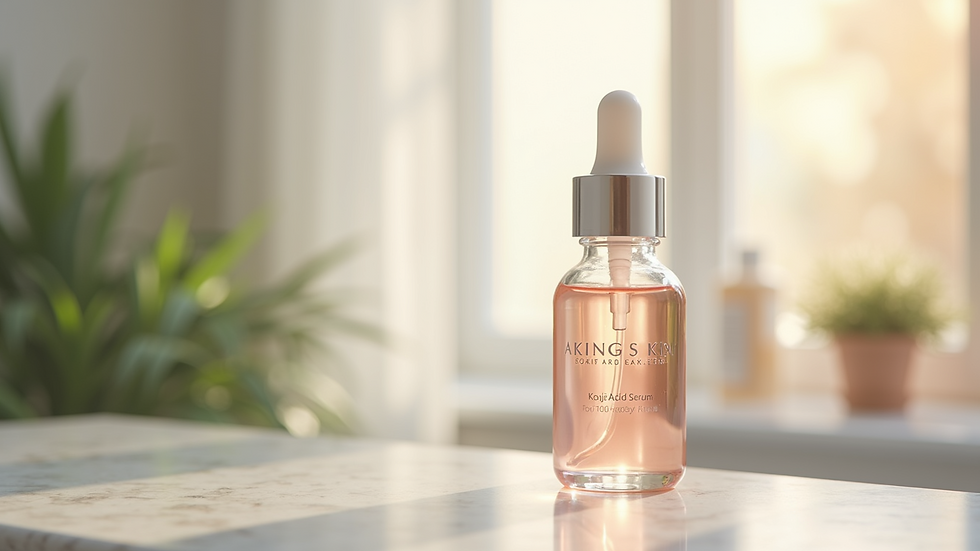
Understanding Kojic Acid
Kojic acid is a natural compound derived from fungi, particularly from the fermentation process of sake. It's gained popularity for its ability to inhibit melanin production, making it an effective treatment for hyperpigmentation, dark spots, and uneven skin tone.
Kojic acid works by blocking the enzyme tyrosinase, a key player in the melanin synthesis process. Studies have shown that consistent use can reduce melanin production by up to 70%, leading to a more even skin tone and noticeable improvements in dark spots within just weeks. However, it can be potent. Many users, particularly those with sensitive skin, may experience irritation or sensitivity. It’s best to start with concentrations around 1% to gauge your skin's response before moving to stronger options.
The Power of Arbutin
On the other hand, arbutin is a naturally occurring derivative of hydroquinone found in many plants, including bearberry and blueberries. It is recognized for its skin-brightening properties and is often preferred for its gentler nature compared to kojic acid.
Arbutin also works by inhibiting tyrosinase but does so more gently. Research indicates that arbutin reduces melanin production by 25% to 30%. This makes it an excellent option for those with sensitive skin or those who are new to skin brightening treatments. Beyond brightening, arbutin boasts antioxidant benefits, which help protect the skin from environmental stressors and free radicals, supporting overall skin health—a significant advantage in urban settings with higher pollution levels.

Comparing Efficacy
In terms of efficacy, both kojic acid and arbutin have distinct strengths. Kojic acid is often deemed the more potent option, delivering visible results in as little as two to four weeks. Users frequently report that they see improvements in clarity and brightness of their skin tone relatively quickly.
Conversely, arbutin acts more gradually, making it a safer choice for those with sensitive skin. While results may take four to eight weeks to appear, its milder approach can lead to a more sustainable and irritation-free experience over time.
Ultimately, the choice between kojic acid and arbutin may come down to your skin type and personal preferences. If you’re looking for quick results and have resilient skin, kojic acid might be your go-to. However, if you prefer a gentler method with added antioxidant benefits, arbutin could be the perfect fit.
Application Tips for 2025
Incorporating these brighteners into your skincare routine effectively requires a few practical tips:
Patch Test: Before introducing a new product, always perform a patch test. This will help gauge your skin's reaction and avoid potential irritation.
Layering: If you choose to use both ingredients, consider layering them. Start with a kojic acid serum, followed by an arbutin serum. This combination can enhance brightening effects while minimizing the risk of irritation.
Sunscreen is Essential: Both ingredients can increase skin sensitivity to sunlight. Always apply a broad-spectrum sunscreen during the day to protect your skin and prevent further pigmentation.
Consistency is Key: For best results, incorporate these brighteners into your daily routine. Patience is important, as brightening takes time, but the results can be transformative.
Potential Side Effects
While both kojic acid and arbutin are generally safe for most skin types, it’s important to recognize potential side effects.
Kojic acid can cause irritation, redness, or peeling, particularly in higher concentrations. If you experience adverse reactions, it’s best to stop using it and consult a dermatologist.
Arbutin is less likely to cause irritation due to its milder nature, though some individuals may still experience sensitivity. Always pay attention to your skin and modify your routine accordingly.
Moving Forward with Your Skincare Routine
As we embrace 2025, the choice between kojic acid and arbutin as your skin brightener ultimately depends on your skin type, concerns, and preferences. Kojic acid offers rapid results for those seeking a more potent solution, while arbutin provides a gentler, antioxidant-rich alternative.
Whichever you choose, remember that consistency, sun protection, and a tailored skincare routine are essential for achieving that coveted glow. With the right approach, both kojic acid and arbutin can enhance your skincare practice and help you achieve a brighter, more even complexion.
Are you ready to elevate your skincare game this year? Embrace the power of these brighteners and let your skin shine bright!


Comments