The Must-Have Pregnancy Safe Skincare Ingredients for 2025
- Aug 11, 2025
- 4 min read
Pregnancy is an incredible journey filled with joy and anticipation, yet it can also bring unexpected changes to your skin. As your body responds to new hormones, you may enjoy a radiant glow one moment and struggle with breakouts the next. With countless skincare products available today, knowing which ingredients are safe for you and your baby is crucial. In this post, we’ll explore essential pregnancy-safe skincare ingredients for 2025, highlighting those you should embrace and avoid. Let’s help you maintain that beautiful glow throughout your pregnancy.
Understanding Pregnancy-Safe Skincare
When choosing skincare during pregnancy, safety should always come first. Many common ingredients in skincare products can pose risks to your developing baby. To safeguard your health and your child’s, it’s important to read labels closely and select items free from harmful chemicals.
In 2025, the trend towards clean beauty is increasingly prominent. Many brands now prioritize safety while maintaining product effectiveness. Let’s examine the key ingredients you should adopt and those you need to avoid.
Must-Have Pregnancy Safe Ingredients
1. Hyaluronic Acid
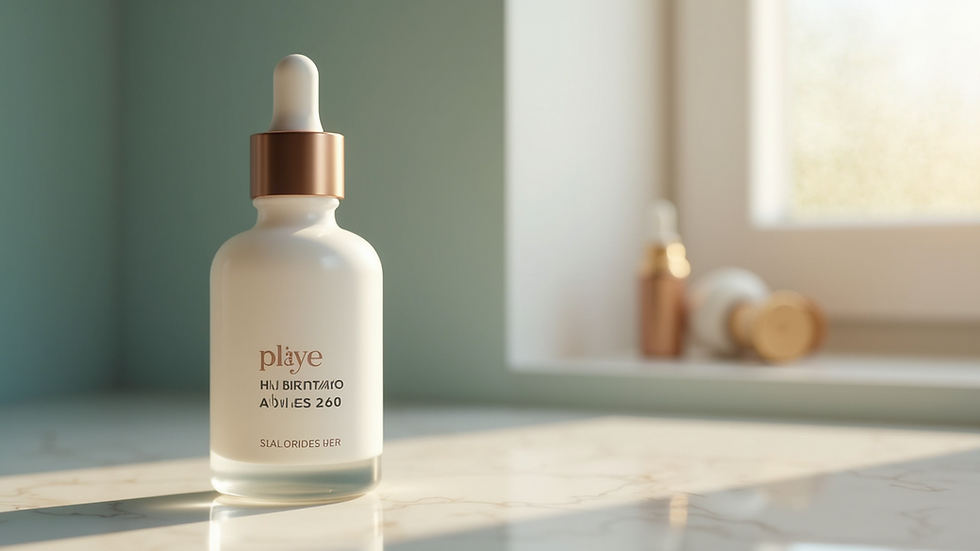
Hyaluronic acid is a supercharged ingredient known for its exceptional hydration properties. It can hold up to 1,000 times its weight in water, making it ideal for combating the dryness that often accompanies pregnancy.
Using a serum or moisturizer infused with this ingredient can boost your skin’s hydration levels significantly. For example, products containing 1% to 2% hyaluronic acid can improve skin elasticity, giving you that sought-after glow.
2. Vitamin C
Vitamin C is a well-known antioxidant that can brighten your skin tone and reduce the appearance of dark spots, which are especially common due to hormonal changes during pregnancy.
Research shows that topical vitamin C can improve skin texture by up to 30% over a few weeks. Incorporating a serum with a concentration of 10-20% vitamin C into your regenerative routine can promote an even complexion and protect against environmental stressors.
3. Aloe Vera
Aloe vera is a natural ingredient that soothes and hydrates the skin effectively. It’s especially useful for calming stretch marks or irritation, conditions many pregnant women experience.
Many studies have demonstrated that aloe vera gel can improve skin hydration and calm inflamed skin, leading to a 40% reduction in irritation after consistent use. Plus, this ingredient is completely safe for both you and your baby!

4. Jojoba Oil
Jojoba oil is a fantastic moisturizer that closely resembles the skin's natural oils. This non-comedogenic oil won't clog your pores, which makes it suitable for all skin types.
Rich in vitamins E and B, this oil can nourish your skin and help keep it balanced, resulting in a smoother appearance. Incorporating just a few drops into your daily skincare routine can maximize hydration and promote healthy-looking skin.
5. Shea Butter
Shea butter is an excellent natural emollient that provides deep hydration and nourishment. This ingredient is particularly effective in preventing and treating stretch marks, making it an essential addition for expectant mothers.
For best results, look for products that contain at least 15% pure shea butter. Regular use can ensure your skin remains soft and supple throughout your pregnancy.
Ingredients to Avoid
While plenty of safe ingredients exist, knowing which ones to avoid is equally vital for a healthy pregnancy. Here are some common skincare ingredients to be wary of:
1. Retinoids
Retinoids, including retinol, are prevalent in anti-aging skincare products. Unfortunately, they are not safe during pregnancy due to the risk of birth defects.
Avoid any products containing retinoids and consider safer alternatives like vitamin C or hyaluronic acid that can still offer significant benefits.
2. Salicylic Acid
Salicylic acid is widely used to treat acne, but high concentrations can pose risks during pregnancy. While low concentrations (under 2%) in cleansers may be acceptable, it is best to consult your healthcare provider before using products with this ingredient.
3. Benzoyl Peroxide
Benzoyl peroxide is another common ingredient found in acne treatments. However, it is advisable to avoid this substance during pregnancy due to potential risks to the developing baby.
Instead, consider gentle, pregnancy-safe alternatives. For instance, a simple homemade paste with honey and tea tree oil can effectively treat blemishes.
4. Chemical Sunscreens
Chemical sunscreens often contain ingredients like oxybenzone and avobenzone, which may not be safe for pregnant women.
To ensure effective sun protection, choose mineral-based sunscreens with zinc oxide or titanium dioxide, which are both safe and effective.
5. Fragrance
Many skincare products include synthetic fragrances that can cause skin irritation or allergic reactions, which may be heightened during pregnancy.
Instead, opt for fragrance-free products or those that use natural essential oils for a safer, more soothing experience.
Navigating Your Skincare Journey
Managing skincare while pregnant does not have to be overwhelming. By focusing on safe ingredients like hyaluronic acid, vitamin C, and aloe vera, you can maintain a glowing complexion while protecting your baby.
At the same time, it is crucial to avoid harmful ingredients such as retinoids and chemical sunscreens. If you are unsure about any product or ingredient, always consult with your healthcare provider.
Enjoy this beautiful journey with assurance, knowing you can care for your skin safely and effectively. Here’s to healthy skin and a radiant pregnancy in 2025!


Comments